How Indian Outbound Travel Has Changed in the Last 5 Years

One of the key trends is the rise of the luxury traveller. Indian travellers are no longer satisfied with budget or mass-market options. They want to have the best of everything, from premium flights and hotels to bespoke experiences and services.

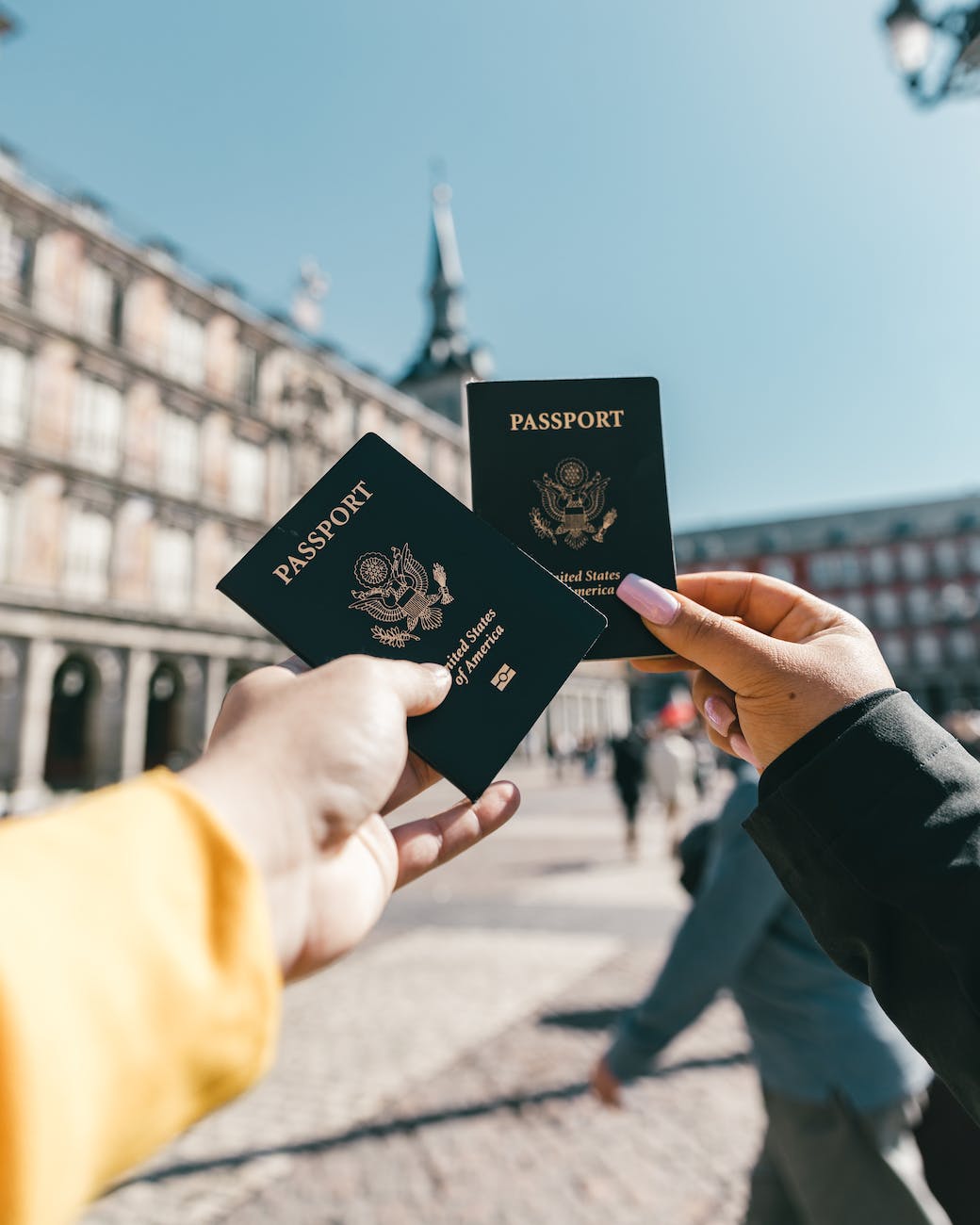
India is one of the fastest-growing outbound travel markets in the world. According to a report by Bain & Company and Google, Indian travellers made 25 million outbound trips in 2018, and this number is expected to reach 60 million by the end of 2023. What are the factors driving this growth and how has the profile of the Indian traveller changed over the years?

One of the key trends is the rise of the luxury traveller. Indian travellers are no longer satisfied with budget or mass-market options. They want to have the best of everything, from premium flights and hotels to bespoke experiences and services. They are willing to spend more on travel than on any other discretionary item, and they seek value for money rather than discounts.

Another trend is the global mindset of the Indian traveller. They are not limited by geographical or cultural boundaries. They want to explore new destinations, learn about different cultures, and immerse themselves in the local lifestyle. They are also more adventurous and open to trying new things, such as adventure sports, wellness retreats, or culinary tours.

A third trend is engagement with destinations and hotel brands. Indian travellers are not passive consumers of travel products. They want to interact with the places they visit and the people they meet. They also want to have a say in how their travel experience is designed and delivered. They look for personalised recommendations, customised itineraries, and feedback mechanisms. They also expect loyalty programs, rewards, and recognition from their preferred hotel brands.

These trends have not gone unnoticed by the global travel industry. Many countries and regions have realised the potential of the Indian outbound market and have taken steps to attract and cater to them. For example, some countries have eased visa requirements, increased flight connectivity, or offered special deals for Indian travellers. Some hotel chains have also introduced features such as Indian cuisine, Bollywood channels, or Hindi-speaking staff to make their guests feel more comfortable and welcome.

The Indian outbound travel market is poised for further growth and transformation in the coming years. As more Indians travel abroad, they will also influence and shape the global travel landscape with their preferences and expectations. The travel industry will have to keep up with their changing needs and demands and offer them more choices, convenience, and value.

How Hindustani Classical Music Can Be Related to Western Rock and Metal

Hindustani classical music and rock and metal music are both powerful forms of art that can transcend boundaries and cultures. By fusing them together, musicians can create new sounds and experiences that enrich the musical landscape.

Hindustani classical music is one of the oldest and richest forms of music in the world. It has a complex and sophisticated system of ragas (melodic modes), talas (rhythmic cycles) and improvisation. Hindustani classical music has influenced many genres of music, including rock and metal.

Rock and metal music are genres that emerged in the 20th century, characterized by electric guitars, drums, bass and vocals. They often use distortion, heavy riffs, power chords and solos. Rock and metal music have also been influenced by various styles of music, including blues, jazz, folk and classical.

V Shivapriya and BR Somashekar Jois perform rhythmic phrases set to Mishrachaapu Tala. Remixed by Andre Antunes

One of the pioneers of fusing Hindustani classical music with rock and metal music was Ravi Shankar, a legendary sitar player and composer. He collaborated with many Western musicians, such as The Beatles, The Rolling Stones, George Harrison and John Coltrane. He introduced the sitar, the drone, the raga and the tala to Western audiences and inspired many rock and metal artists to experiment with Indian sounds and scales.

Another example of fusion between Hindustani classical music and rock/metal is the band Shakti, formed by legendary guitar player John McLaughlin and Indian musicians L. Shankar, Zakir Hussain and T.H. “Vikku” Vinayakram. Shakti blended Indian classical music with jazz and rock, creating a unique and powerful sound that influenced many musicians around the world.

But how exactly can Hindustani classical music be related to Western rock and metal? One way is through the use of scales and modes. Hindustani music has a wide range of scales, or ragas, that can evoke different moods and emotions. These scales can be adapted for Western instruments, such as guitar or keyboard, and used to create new melodies and harmonies. For example, the pentatonic scale used in blues and rock music can be traced back to the Indian raga Bhimpalasi.

Another way is through the use of rhythm. Hindustani music has a complex system of rhythmic cycles, or talas, that can be adapted to fit into rock and metal music. Talas can add a distinctive groove and feel to the music, and can be used for improvisation and soloing.

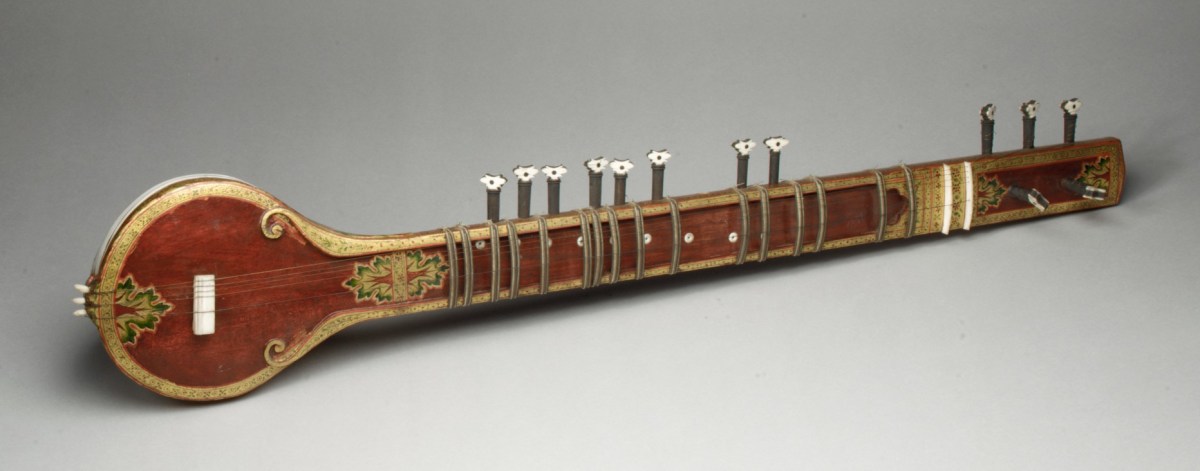
Finally, the use of Indian instruments such as sitar, tabla or sarod can add a unique flavor to rock and metal music. These instruments can be used for soloing, accompaniment or simply as a texture in the music.

In conclusion, Hindustani classical music and Western rock/metal music may seem like two very different genres, but they actually have a lot in common. The fusion of these two styles has led to some incredible music, and has opened the door to new creative possibilities for musicians around the world. So next time you listen to your favorite rock or metal band, remember that there may be a little bit of Hindustani classical music in there too.

———————————————————

Some examples of rock and metal songs that incorporate elements of Hindustani classical music are:

  • Norwegian Wood by The Beatles: This song features George Harrison playing the sitar in a raga-like melody.
  • Paint It Black by The Rolling Stones: This song uses a sitar riff and a drone in the background.
  • Kashmir by Led Zeppelin: This song uses a modal scale similar to a raga and a rhythmic pattern inspired by a tala.
  • Shakti by John McLaughlin: This song is a fusion of jazz-rock and Hindustani classical music, featuring McLaughlin on guitar, Zakir Hussain on tabla, L. Shankar on violin and Vikku Vinayakram on ghatam.
  • Om by John Coltrane: This song is a free jazz improvisation based on a chant from the Hindu scripture Bhagavad Gita, featuring Coltrane on saxophone, Pharoah Sanders on saxophone and flute, Alice Coltrane on piano and harp, Joe Brazil on flute, Donald Garrett on bass clarinet and bass, Jimmy Garrison on bass, Rashied Ali on drums and percussion and Ray Appleton on percussion.
  • Darbari Blues by Naad: This song is a fusion of Hindustani classical vocals with eclectic world flavours, featuring Sanjeevani Bhelande on vocals, Middle Eastern percussion, ambient bass grooves and Spanish guitars.

Hindustani classical music and rock and metal music may seem very different at first glance, but they share some common elements, such as:

– The use of improvisation: Both genres rely heavily on spontaneous creativity and expression.
– The use of emotion: Both genres convey various moods and feelings through music.
– The use of contrast: Both genres use dynamics, tempo changes, modulation and variation to create tension and release.

Broaden your container, to make your life a celebration

Our ability initially to let “thy will be done”, and eventually merge your will into the universal will, is the base for a future larger expansion.

How do we expand ourselves to give and receive more? How do we ensure that all our dreams are fulfilled? How do we grow our boundaries, to make them commensurate with the universe’s boundaries? How do we ensure, that the universal energy is flowing through us?

We need to expand our container – our container of understanding, energy vibration and intuition. Our ability initially to let “Thy will be done” and work on that as a practice to eventually graduating to merging ones own will, into the universal will. This creates the base for a future larger expansion of our spirit. Once that merger is established, a line opens up to universal vibration; and what you want, crave and desire is also what the universe wants, craves and desires. This then makes your life, a celebration for the larger truth and you become a wish fulfilling tree, for yourself and the world.

Todays video looks at this connection for manifestation by Sri Akarshana:

Valentines Day? Let People Dislike You

A leader who can truly see employees, suppliers, partners and stakeholders for who they are, is indeed a leader. The “other” leaders are lazy followers of someone else’s opinions and mental machinations.

How should we deal with people who don’t like us… who don’t accept and approve of us… who judge and criticise us? This is a common problem that many face and about which there is a lot of emotional stress. I thought it apt, to bring this up on Valentines Day, the day of love. There will always be someone, who intentionally puts you down or even “bad mouths” you (especially in the corporate world) – these people reflect their own understanding or mis understanding of the universe. When you put someone down, you reflect your limitations, insecurities and powerlessness. One should develop the habit (especially senior professionals) of seeing things with their own understanding and not get coloured by peoples images and opinions, even if they are cloaked in performance, numbers and other crutches. A leader who can truly see employees, suppliers, partners and stakeholders for who they are, is indeed a leader. The “other” leaders are lazy followers of someone else’s opinions and mental machinations.

Today’s video touches on this theme in a beautiful manner. It says “allow people to dislike you”…a powerful statement indeed. I hope you enjoy listening to the same.

Video Length: 4 min 30 seconds