The Psychology of Gambling: Understanding, Addressing, and Overcoming Problematic Behaviours

Gambling can have severe and multifaceted consequences. It negatively affects mental health, leading to stress, anxiety, depression, guilt, shame, and low self-esteem. It also impairs financial well-being,

Casinos are popular destinations for entertainment and socialization, offering excitement to many. However, it is essential to recognize that some individuals may develop problematic gambling behaviours, leading to adverse effects on their psychological well-being, finances, and relationships. In this article, I delve into the psychological factors motivating gambling, explore the consequences of excessive gambling, and provide strategies to prevent or alleviate gambling problems.

  1. The Illusion of Control: One significant psychological factor driving individuals to gamble is the illusion of control. This bias involves overestimating one’s ability to influence or predict the outcome of random events, such as rolling dice, drawing cards, or spinning slot machines. Those with a high illusion of control believe that their skills, strategies, or superstitions can enhance their chances of winning. They often attribute wins to their actions while blaming losses on external factors like bad luck. This cognitive bias reinforces gambling behaviour and hinders the acceptance of feedback or reality checks.
  2. The Gambler’s Fallacy: The gambler’s fallacy is another influential psychological factor shaping gambling behaviour. This fallacy revolves around the mistaken belief that past outcomes can affect future outcomes in a random process. For instance, a gambler may believe that after a long losing streak, they are due for a win, or vice versa. However, every outcome in gambling is independent and unaffected by previous results. Regardless of historical patterns, the probability of winning or losing remains the same.
  3. The Availability Heuristic: The availability heuristic also plays a role in gambling behaviour. This heuristic leads individuals to judge the frequency or likelihood of an event based on how easily examples come to mind. For example, a gambler may overestimate their chances of winning because they vividly remember their past wins or those of others while conveniently ignoring or forgetting their losses. This skewed perception of reality fosters unrealistic optimism regarding gambling outcomes.

The Negative Impact of Excessive Gambling:

Excessive gambling can have severe and multifaceted consequences. It negatively affects mental health, leading to stress, anxiety, depression, guilt, shame, and low self-esteem. It also impairs financial well-being, often resulting in debt, bankruptcy, poverty, and legal issues. Interpersonal relationships suffer due to conflicts, distrust, isolation, and increased divorce rates. Additionally, excessive gambling can interfere with work performance, education, and personal goals.

Strategies to Prevent or Reduce Gambling Problems:
Fortunately, several strategies can help prevent or reduce gambling problems:

  1. Setting Limits: Establishing and adhering to limits on time and money spent gambling is crucial. This approach fosters self-control and responsible behaviour.
  2. Seeking Support: Professional counsellors, support groups, and self-help programs offer valuable guidance and support for overcoming gambling addiction. These resources provide individuals with the necessary tools to regain control over their behaviour.
  3. Engaging in Alternative Activities: Finding alternative activities that provide positive reinforcement and satisfaction without involving gambling is essential. Hobbies, sports, volunteering, and socializing can fulfil individuals’ needs for enjoyment and social interaction while diverting their attention from gambling.

While gambling can be a source of entertainment for some, it can escalate into a severe problem for others. Understanding the psychological factors influencing gambling behaviour and recognizing the negative impacts of excessive gambling empowers individuals to make informed and responsible decisions about their gambling habits. Seeking help when needed and implementing preventive measures can help individuals address and overcome gambling problems, leading to improved psychological well-being, financial stability, and healthier relationships.


The Transformative Impact of AI on Public Relations

AI presents PR professionals with a range of opportunities to optimize their strategies, streamline processes, and make data-driven decisions.

Artificial intelligence (AI) is revolutionizing various industries, including the field of public relations (PR). By automating tasks, providing data-driven insights, and enhancing decision-making processes, AI is poised to bring about significant changes in the PR landscape. This article explores five key ways in which AI is expected to reshape PR in the near future.

AI in PR
  1. AI-Enhanced Media Relations: AI empowers PR professionals to streamline their media outreach efforts and improve relationship-building with journalists and influencers. With AI tools, PR practitioners can identify the most suitable media contacts for their stories, based on journalists’ preferences, interests, and past coverage. For example, an AI-powered platform may analyze a journalist’s articles and social media interactions to determine their topic expertise and engagement patterns. By personalizing pitches and follow-ups using AI-generated insights, PR professionals can maximize their chances of securing media coverage. Furthermore, AI can monitor the impact of media coverage by tracking sentiment analysis, reach, and engagement metrics.
  2. AI-Driven Content Creation: AI offers significant potential to enhance content creation processes for PR professionals. Natural language generation (NLG) algorithms can generate coherent and engaging content that resonates with target audiences. AI-driven computer vision capabilities can assist in creating visually appealing content such as infographics and videos. Additionally, AI can optimize content for search engines and social media platforms, ensuring maximum visibility and engagement. Furthermore, AI-powered analytics can suggest the optimal timing and distribution channels for content dissemination.
  3. AI-Enabled Sentiment Analysis: Sentiment analysis plays a crucial role in understanding stakeholders’ opinions, emotions, and perceptions. AI, specifically natural language processing (NLP) and machine learning techniques can automate sentiment analysis at scale. PR professionals can gain valuable insights into public sentiment about their brands, products, or campaigns, enabling them to make data-driven decisions. AI-powered sentiment analysis tools can identify emerging trends, potential issues, and opportunities for PR campaigns, allowing practitioners to adapt their strategies accordingly.
  4. AI-Facilitated Crisis Management: AI equips PR professionals with powerful tools for crisis detection, prevention, and management. By employing predictive analytics and social listening capabilities, AI can identify early warning signs of potential crises, enabling proactive intervention. AI algorithms can analyze vast amounts of data from various sources, including social media, news articles, and customer feedback, to identify emerging issues that could escalate into crises. Furthermore, AI can simulate crisis scenarios, providing PR professionals with guidance on appropriate response strategies and potential outcomes.
  5. AI-Promoted Ethical PR: AI technology offers opportunities for PR professionals to uphold ethical standards and foster trust in their communications. Explainable AI and transparency tools enable PR practitioners to understand how AI systems make decisions, ensuring accountability and fairness. AI can also help monitor and combat misinformation, disinformation, and fake news by leveraging natural language processing techniques to detect false or misleading information. By leveraging AI-powered tools, PR professionals can contribute to promoting credibility, accuracy, and authenticity in their communications.

AI presents PR professionals with a range of opportunities to optimize their strategies, streamline processes, and make data-driven decisions. By leveraging AI in media relations, content creation, sentiment analysis, crisis management, and ethical PR practices, PR practitioners can stay ahead in a rapidly evolving landscape. However, it is crucial for PR professionals to remain mindful of potential challenges related to data privacy, security, bias, accountability, and regulation as they embrace AI in their practices. Adapting to the new PR models and understanding the implications of AI will be essential for success in the AI-powered future of public relations.

How Indian Outbound Travel Has Changed in the Last 5 Years

One of the key trends is the rise of the luxury traveller. Indian travellers are no longer satisfied with budget or mass-market options. They want to have the best of everything, from premium flights and hotels to bespoke experiences and services.

India is one of the fastest-growing outbound travel markets in the world. According to a report by Bain & Company and Google, Indian travellers made 25 million outbound trips in 2018, and this number is expected to reach 60 million by the end of 2023. What are the factors driving this growth and how has the profile of the Indian traveller changed over the years?

One of the key trends is the rise of the luxury traveller. Indian travellers are no longer satisfied with budget or mass-market options. They want to have the best of everything, from premium flights and hotels to bespoke experiences and services. They are willing to spend more on travel than on any other discretionary item, and they seek value for money rather than discounts.

Another trend is the global mindset of the Indian traveller. They are not limited by geographical or cultural boundaries. They want to explore new destinations, learn about different cultures, and immerse themselves in the local lifestyle. They are also more adventurous and open to trying new things, such as adventure sports, wellness retreats, or culinary tours.

A third trend is engagement with destinations and hotel brands. Indian travellers are not passive consumers of travel products. They want to interact with the places they visit and the people they meet. They also want to have a say in how their travel experience is designed and delivered. They look for personalised recommendations, customised itineraries, and feedback mechanisms. They also expect loyalty programs, rewards, and recognition from their preferred hotel brands.

These trends have not gone unnoticed by the global travel industry. Many countries and regions have realised the potential of the Indian outbound market and have taken steps to attract and cater to them. For example, some countries have eased visa requirements, increased flight connectivity, or offered special deals for Indian travellers. Some hotel chains have also introduced features such as Indian cuisine, Bollywood channels, or Hindi-speaking staff to make their guests feel more comfortable and welcome.

The Indian outbound travel market is poised for further growth and transformation in the coming years. As more Indians travel abroad, they will also influence and shape the global travel landscape with their preferences and expectations. The travel industry will have to keep up with their changing needs and demands and offer them more choices, convenience, and value.

How Hindustani Classical Music Can Be Related to Western Rock and Metal

Hindustani classical music and rock and metal music are both powerful forms of art that can transcend boundaries and cultures. By fusing them together, musicians can create new sounds and experiences that enrich the musical landscape.

Hindustani classical music is one of the oldest and richest forms of music in the world. It has a complex and sophisticated system of ragas (melodic modes), talas (rhythmic cycles) and improvisation. Hindustani classical music has influenced many genres of music, including rock and metal.

Rock and metal music are genres that emerged in the 20th century, characterized by electric guitars, drums, bass and vocals. They often use distortion, heavy riffs, power chords and solos. Rock and metal music have also been influenced by various styles of music, including blues, jazz, folk and classical.

V Shivapriya and BR Somashekar Jois perform rhythmic phrases set to Mishrachaapu Tala. Remixed by Andre Antunes

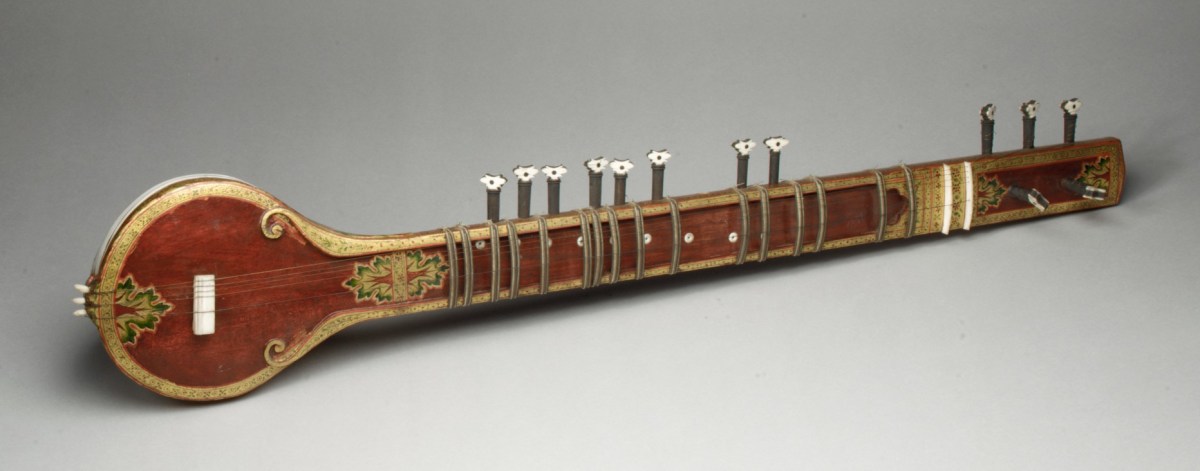
One of the pioneers of fusing Hindustani classical music with rock and metal music was Ravi Shankar, a legendary sitar player and composer. He collaborated with many Western musicians, such as The Beatles, The Rolling Stones, George Harrison and John Coltrane. He introduced the sitar, the drone, the raga and the tala to Western audiences and inspired many rock and metal artists to experiment with Indian sounds and scales.

Another example of fusion between Hindustani classical music and rock/metal is the band Shakti, formed by legendary guitar player John McLaughlin and Indian musicians L. Shankar, Zakir Hussain and T.H. “Vikku” Vinayakram. Shakti blended Indian classical music with jazz and rock, creating a unique and powerful sound that influenced many musicians around the world.

But how exactly can Hindustani classical music be related to Western rock and metal? One way is through the use of scales and modes. Hindustani music has a wide range of scales, or ragas, that can evoke different moods and emotions. These scales can be adapted for Western instruments, such as guitar or keyboard, and used to create new melodies and harmonies. For example, the pentatonic scale used in blues and rock music can be traced back to the Indian raga Bhimpalasi.

Another way is through the use of rhythm. Hindustani music has a complex system of rhythmic cycles, or talas, that can be adapted to fit into rock and metal music. Talas can add a distinctive groove and feel to the music, and can be used for improvisation and soloing.

Finally, the use of Indian instruments such as sitar, tabla or sarod can add a unique flavor to rock and metal music. These instruments can be used for soloing, accompaniment or simply as a texture in the music.

In conclusion, Hindustani classical music and Western rock/metal music may seem like two very different genres, but they actually have a lot in common. The fusion of these two styles has led to some incredible music, and has opened the door to new creative possibilities for musicians around the world. So next time you listen to your favorite rock or metal band, remember that there may be a little bit of Hindustani classical music in there too.

———————————————————

Some examples of rock and metal songs that incorporate elements of Hindustani classical music are:

  • Norwegian Wood by The Beatles: This song features George Harrison playing the sitar in a raga-like melody.
  • Paint It Black by The Rolling Stones: This song uses a sitar riff and a drone in the background.
  • Kashmir by Led Zeppelin: This song uses a modal scale similar to a raga and a rhythmic pattern inspired by a tala.
  • Shakti by John McLaughlin: This song is a fusion of jazz-rock and Hindustani classical music, featuring McLaughlin on guitar, Zakir Hussain on tabla, L. Shankar on violin and Vikku Vinayakram on ghatam.
  • Om by John Coltrane: This song is a free jazz improvisation based on a chant from the Hindu scripture Bhagavad Gita, featuring Coltrane on saxophone, Pharoah Sanders on saxophone and flute, Alice Coltrane on piano and harp, Joe Brazil on flute, Donald Garrett on bass clarinet and bass, Jimmy Garrison on bass, Rashied Ali on drums and percussion and Ray Appleton on percussion.
  • Darbari Blues by Naad: This song is a fusion of Hindustani classical vocals with eclectic world flavours, featuring Sanjeevani Bhelande on vocals, Middle Eastern percussion, ambient bass grooves and Spanish guitars.

Hindustani classical music and rock and metal music may seem very different at first glance, but they share some common elements, such as:

– The use of improvisation: Both genres rely heavily on spontaneous creativity and expression.
– The use of emotion: Both genres convey various moods and feelings through music.
– The use of contrast: Both genres use dynamics, tempo changes, modulation and variation to create tension and release.