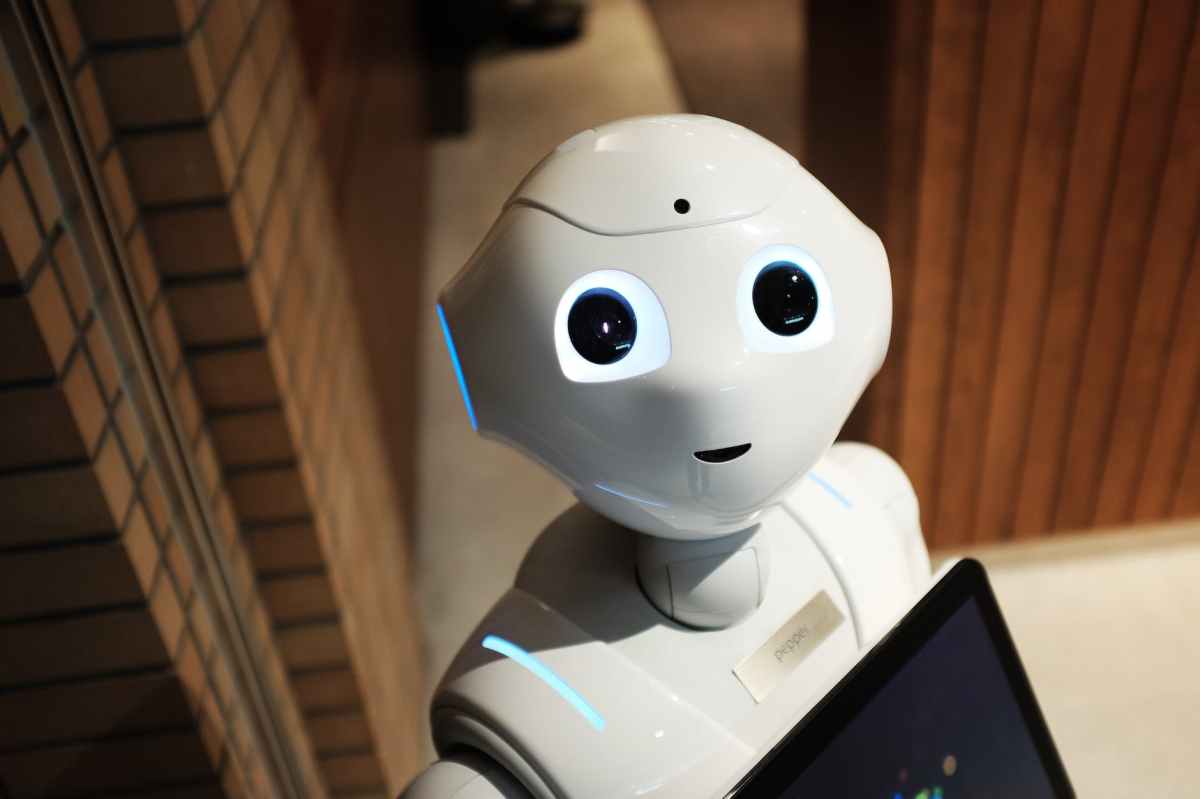
The Transformative Impact of AI on Public Relations

AI presents PR professionals with a range of opportunities to optimize their strategies, streamline processes, and make data-driven decisions.

Artificial intelligence (AI) is revolutionizing various industries, including the field of public relations (PR). By automating tasks, providing data-driven insights, and enhancing decision-making processes, AI is poised to bring about significant changes in the PR landscape. This article explores five key ways in which AI is expected to reshape PR in the near future.

AI in PR
  1. AI-Enhanced Media Relations: AI empowers PR professionals to streamline their media outreach efforts and improve relationship-building with journalists and influencers. With AI tools, PR practitioners can identify the most suitable media contacts for their stories, based on journalists’ preferences, interests, and past coverage. For example, an AI-powered platform may analyze a journalist’s articles and social media interactions to determine their topic expertise and engagement patterns. By personalizing pitches and follow-ups using AI-generated insights, PR professionals can maximize their chances of securing media coverage. Furthermore, AI can monitor the impact of media coverage by tracking sentiment analysis, reach, and engagement metrics.
  2. AI-Driven Content Creation: AI offers significant potential to enhance content creation processes for PR professionals. Natural language generation (NLG) algorithms can generate coherent and engaging content that resonates with target audiences. AI-driven computer vision capabilities can assist in creating visually appealing content such as infographics and videos. Additionally, AI can optimize content for search engines and social media platforms, ensuring maximum visibility and engagement. Furthermore, AI-powered analytics can suggest the optimal timing and distribution channels for content dissemination.
  3. AI-Enabled Sentiment Analysis: Sentiment analysis plays a crucial role in understanding stakeholders’ opinions, emotions, and perceptions. AI, specifically natural language processing (NLP) and machine learning techniques can automate sentiment analysis at scale. PR professionals can gain valuable insights into public sentiment about their brands, products, or campaigns, enabling them to make data-driven decisions. AI-powered sentiment analysis tools can identify emerging trends, potential issues, and opportunities for PR campaigns, allowing practitioners to adapt their strategies accordingly.
  4. AI-Facilitated Crisis Management: AI equips PR professionals with powerful tools for crisis detection, prevention, and management. By employing predictive analytics and social listening capabilities, AI can identify early warning signs of potential crises, enabling proactive intervention. AI algorithms can analyze vast amounts of data from various sources, including social media, news articles, and customer feedback, to identify emerging issues that could escalate into crises. Furthermore, AI can simulate crisis scenarios, providing PR professionals with guidance on appropriate response strategies and potential outcomes.
  5. AI-Promoted Ethical PR: AI technology offers opportunities for PR professionals to uphold ethical standards and foster trust in their communications. Explainable AI and transparency tools enable PR practitioners to understand how AI systems make decisions, ensuring accountability and fairness. AI can also help monitor and combat misinformation, disinformation, and fake news by leveraging natural language processing techniques to detect false or misleading information. By leveraging AI-powered tools, PR professionals can contribute to promoting credibility, accuracy, and authenticity in their communications.

AI presents PR professionals with a range of opportunities to optimize their strategies, streamline processes, and make data-driven decisions. By leveraging AI in media relations, content creation, sentiment analysis, crisis management, and ethical PR practices, PR practitioners can stay ahead in a rapidly evolving landscape. However, it is crucial for PR professionals to remain mindful of potential challenges related to data privacy, security, bias, accountability, and regulation as they embrace AI in their practices. Adapting to the new PR models and understanding the implications of AI will be essential for success in the AI-powered future of public relations.
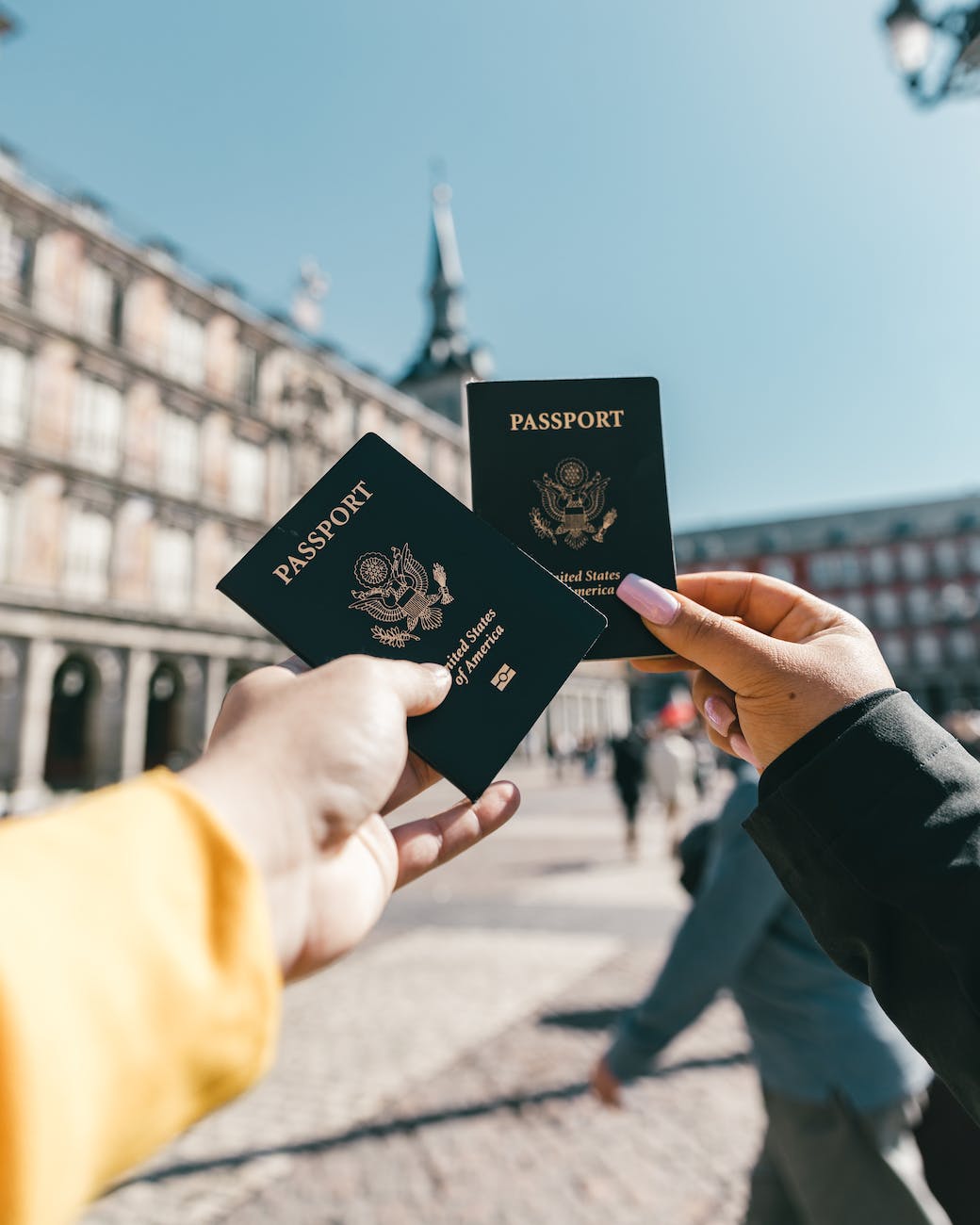

How Indian Outbound Travel Has Changed in the Last 5 Years

One of the key trends is the rise of the luxury traveller. Indian travellers are no longer satisfied with budget or mass-market options. They want to have the best of everything, from premium flights and hotels to bespoke experiences and services.

India is one of the fastest-growing outbound travel markets in the world. According to a report by Bain & Company and Google, Indian travellers made 25 million outbound trips in 2018, and this number is expected to reach 60 million by the end of 2023. What are the factors driving this growth and how has the profile of the Indian traveller changed over the years?

One of the key trends is the rise of the luxury traveller. Indian travellers are no longer satisfied with budget or mass-market options. They want to have the best of everything, from premium flights and hotels to bespoke experiences and services. They are willing to spend more on travel than on any other discretionary item, and they seek value for money rather than discounts.

Another trend is the global mindset of the Indian traveller. They are not limited by geographical or cultural boundaries. They want to explore new destinations, learn about different cultures, and immerse themselves in the local lifestyle. They are also more adventurous and open to trying new things, such as adventure sports, wellness retreats, or culinary tours.

A third trend is engagement with destinations and hotel brands. Indian travellers are not passive consumers of travel products. They want to interact with the places they visit and the people they meet. They also want to have a say in how their travel experience is designed and delivered. They look for personalised recommendations, customised itineraries, and feedback mechanisms. They also expect loyalty programs, rewards, and recognition from their preferred hotel brands.

These trends have not gone unnoticed by the global travel industry. Many countries and regions have realised the potential of the Indian outbound market and have taken steps to attract and cater to them. For example, some countries have eased visa requirements, increased flight connectivity, or offered special deals for Indian travellers. Some hotel chains have also introduced features such as Indian cuisine, Bollywood channels, or Hindi-speaking staff to make their guests feel more comfortable and welcome.

The Indian outbound travel market is poised for further growth and transformation in the coming years. As more Indians travel abroad, they will also influence and shape the global travel landscape with their preferences and expectations. The travel industry will have to keep up with their changing needs and demands and offer them more choices, convenience, and value.

The Illusion of Separating Personal and Professional Life: Integrating for a More Fulfilling Experience

In this article, I argue that the separation between the personal and professional is simply a mental concept. Life is constructed by nature and is one continuum. We must weave together what we may consider personal and what we may consider work. Work is as much a part of our lives as our personal stuff is. And by integrating them, we can achieve more harmony, happiness, and fulfilment.

Many people struggle to balance their personal and professional lives. They feel stressed, overwhelmed, and guilty when they must juggle multiple roles and responsibilities. They think that they must separate their work from their life and that they have to sacrifice one for the other. But is this true? Is there such a thing as a clear-cut distinction between the personal and the professional? Or is this just a mental concept that we have created to cope with the complexity of modern life?

In this article, I argue that the separation between the personal and professional is simply a mental concept. Life is constructed by nature and is one continuum. We must weave together what we may consider personal and what we may consider work. Work is as much a part of our lives as our personal stuff is. And by integrating them, we can achieve more harmony, happiness, and fulfilment.

Photo by Kampus Production on Pexels.com

Let’s start by examining the origin of the idea of separating the personal and the professional. Historically, this idea emerged with the rise of industrialisation and urbanisation. People started to work in factories, offices, and other places that were physically separated from their homes and communities. They also started to specialise in different fields and professions that required specific skills and knowledge. As a result, they developed different identities and roles for their work and their life. They had to follow different rules, norms, and expectations in each domain. They had to switch between different modes of thinking, feeling, and behaving.

This separation was reinforced by the social and cultural values of modernity. Individualism, rationality, efficiency, productivity, competition, and achievement became the dominant ideals of work. Emotion, intuition, creativity, spirituality, cooperation, and well-being became the dominant ideals of life. Work was seen as a means to an end, a way to earn money and status. Life was seen as an end in itself, a way to enjoy leisure and happiness. Work was associated with stress and pressure. Life was associated with relaxation and pleasure.

However, this separation is not natural or inevitable. It is a social construct that we have created and maintained through our beliefs, attitudes, and behaviours. It is not based on any objective reality or universal truth. It is based on our subjective perceptions and interpretations of reality. And these perceptions and interpretations can change over time and across contexts.

In fact, there are many examples of cultures and societies that do not separate the personal and the professional as much as is done in the modern world. For instance, in many indigenous cultures, work is seen as an expression of one’s identity, purpose, and spirituality. It is not just a way to make a living, but a way to make meaning. Work is integrated with life in a holistic way. People do not work for external rewards or recognition but for internal satisfaction and contribution. They do not work against nature or other people, but with them in harmony and cooperation.

Similarly, in many Eastern cultures, work is seen as a part of one’s duty, karma, and dharma. It is not just a matter of choice or preference, but a matter of responsibility and destiny. Work is aligned with life in a moral way. People do not work for themselves or their own interests but for others and the greater good. They do not work out of ego or desire, but out of humility and detachment.

By integrating our personal and professional lives, we can create a more holistic and fulfilling experience of life. We can enjoy the benefits of both domains and leverage the synergies and opportunities that arise from them. We can also avoid the conflicts and contradictions that result from trying to maintain a false dichotomy. We can live more fully and authentically, without compromising any part of ourselves.

IPL After Parties: A Concocted Show

Many people, especially Indians are very quick to criticize say someone like the Singapore government, for putting on directed and concocted shows. But what about these new IPL “after parties”? They seem like a miserable drill the cricketers follow, night after night after night. Not only does the show seem completely put on (at least to this author), women are invited, celebrities perhaps flown in and the cricketers seem like they have to “keep up” with this new party culture; and all-in-all  it looks like a sad and forced regimen for everyone. To top it all you have VJ’s and some others, pouncing around in over-excited tones, acting like it’s the greatest party on earth. Unfortunately, most of the visuals indicate to the contrary. The cricketers look jaded and tired, the VJ’s over-the-top, the invited mini skirt women flashing false smiles and celebrities who look like they would rather quickly get to their hotel room to get a good nights sleep. But its a free country and so people are free to celebrate and do as they please, but I would caution readers to be mindful before consuming boring visuals of a “put-on” party, weather on TV, in print or on radio. True celebration comes from the inside, through a solid understanding of your own inner being…no wonder you never find Sachin Tendulkar at any of these concoctions. Great example.