8 Ways To Enter the Present Moment

To me this morning’s experience, brought the significance of the present moment to the fore, one more time.

This morning I woke up with a mind filled with thoughts, darting in each direction. Of course I ensured I was not involved with them, but still, I could see them move around in my head. As I sat for meditation, it became difficult to centre the mind onto anything, either the breath, the mantra or any technique. Suddenly I decided, let me just look at the NOW, the present moment. As my eyes were shut, I decided to listen to each sound around me, whatever they were. The morning birds, the gushing of wind, the starting of a scooter, people walking outside my door. I embraced everything that came up and slowly before I knew it, I was immersed in a deep joyful silent depth, almost loosing where I was. Just as I tasted that timeless depth, I would come out and be back in the present moment. Present moment to Timeless Depth to Present Moment to Timeless Depth. And at the end of my session I realised, my mind, was completely still and my heart was pregnant with bliss.

To me this morning’s experience, brought the significance of the present moment to the fore, and how we could tap into the current moment repeatedly. A state in which the potential of everything exists and at the same time which holds some kind of nectarean nothingness. The video today explores 8 ways we can enter the present moment. I hope you enjoy it and can practice some of it during this month. Wish you well.

Coming Alive Post Lockdown

The lockdown has changed all of us, as we look at a shift in our priorities, what matters to us, our relationships, work, life and deep transformation.

As the heavy lockdown reduces its restrictions in Mumbai, I stepped out for an evening walk. As usual I was stunned by the beauty of this city, the sky, the roadside, the gentle opening up of things and the coming alive of spirit in every corner. The extreme, frenetic pace of Mumbai, seemed calmer, refreshed and happier. People even seemed to be walking slower. Not sure how long this will last, but still, it was refreshing to see, feel and touch earth.

The lockdown has changed all of us, as we look at a shift in our priorities, what matters to us, our relationships, work, life and deep transformation. I hope you enjoy some of the photographs from this evenings walk.

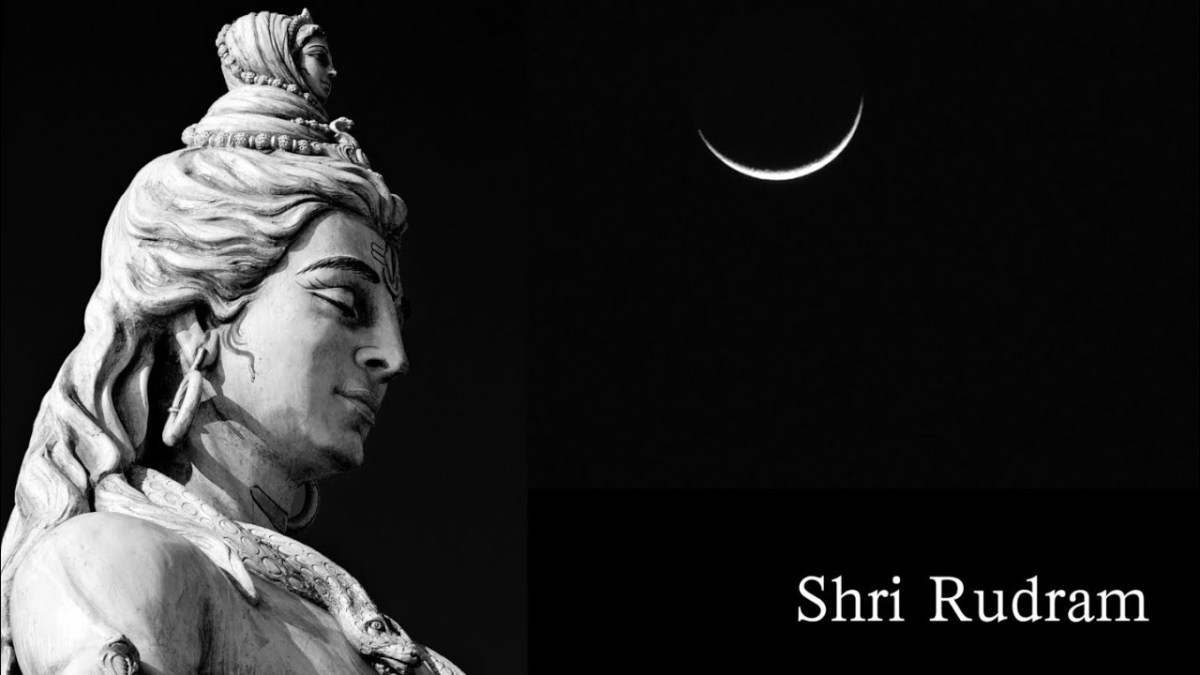
Vedic Chanting the Shri Rudram

The vibrations of this chant purify the atmosphere and mind, fill your being with peace and vigor, bestow protection, and coupled with a pure intention, have the power to grant your wishes, including liberation.

I discovered Vedic chants while playing rock music in my college years [yes, it seems like an unlikely combination, but not really -:)]. I realised the meter, the feel and the vibration, went so well with some of the fusion work I was doing and it also took me deep into myself. It intrigued me so much, that over the years, I have put different tunes to different Vedic chants, for my own pleasure and happiness. In this video, Vidura Barrios a fellow sadhaka (someone on the spiritual path) chants the Shri Rudram with the text on the screen, for us to follow. The abhyasa (regular practice) of scared chanting, is a great discipline in the Indian tradition.

The Shri Rudram is an ancient Vedic text and part of the Krishna Yajurveda (look up more here: https://en.wikipedia.org/wiki/Yajurveda). It is a powerful hymn in praise of Rudra, or Shiva. In the mystical tradition, Shiva represents the consciousness within everything, the pure essence within all, referred to in the Hindu scriptures as Sat Chit Ananda: truth, consciousness and bliss. It is in Shri Rudram that the great five syllable mantra, Om Namah Shivaya is first mentioned. You might simply listen to the chant during meditation or you could chant along.

The vibrations of the chant purify the atmosphere and mind, fill your being with peace and vigor, bestow protection, and coupled with a pure intention, have the power to grant your wishes, including liberation.

How culture can make us feel lost

Dr. Gabor Maté expounds eloquently on the four alienation’s in culture and provides a sentiment of hope to stay in touch with our true nature.

Our gut feeling tells us a lot. But how do we “hear” it and differentiate it from the ruminations of the mind? According to Dr. Gabor Maté we need to connect back in to ourself, and we are hard wired for love, compassion and more. He gives a beautiful speech on human nature and the implications culture has on our ability to maintain it. In this segment of the speech, he discusses four different categories of self-alienation, and provides a sentiment of hope to stay in touch with our true nature as we move forward through the challenging times of modern culture.

He quotes Karl Marx, and expounds eloquently on the four alienation’s in culture:

  1. Alienation from nature
  2. Alienated from other people
  3. Alienated from our work
  4. Alienated from ourselves
Video Length: 10 minutes